
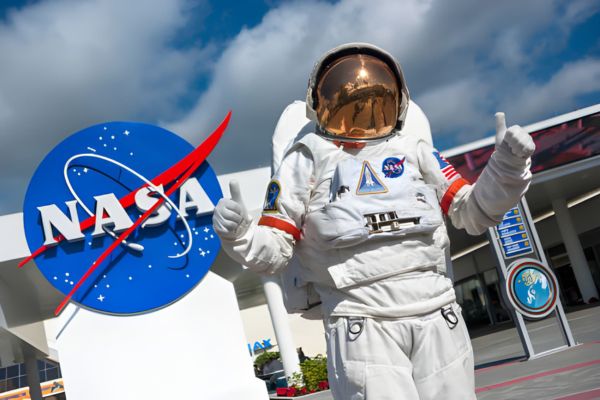
The news surprised many people on the ground. One moment, the NASA astronauts followed their usual routines in orbit, and the next, mission control prepared an early return. Truth be told, space rarely allows for predictable days. A sudden medical concern forced the crew to switch from research to emergency procedures. The shift happened fast aboard the NASA ISS, and the adjustment felt urgent rather than dramatic. The event also renewed public interest in safety standards on the NASA space station, even though the agency already follows strict medical protocols.
Health Scare Forces NASA Astronauts To Return Earlier Than Planned
Events like this never unfold in perfect order. A crew member experienced a symptom that required immediate attention. The team on board reacted quickly, and so did the medical staff on Earth. No one waited for the issue to escalate because small problems can worsen in orbit. Updates referenced a possible NASA astronaut sick alert, and the team treated the matter with full caution. The NASA astronauts focused first on stabilizing their teammate before preparing for descent. And here’s the thing… once the return timeline started, everything moved with tight precision.
Inside The NASA ISS Operations During The Sudden Evacuation
Mission control initiated emergency readiness procedures without delay. An early return disrupts planned scientific work, yet safety always comes first. A NASA astronaut’s medical issue triggers several layers of response across mission control. Coordination changed minute by minute. The crew secured equipment, logged their progress, and reviewed descent steps while monitoring the condition of their colleague. The NASA astronauts kept communication steady, taking short pauses to reassess. Space demands concentration, and every action matters.
NASA Astronauts’ Names And Crew Details Released After Landing
Public attention shifted toward crew details soon after landing. People looked for the NASA astronauts’ names to understand who returned early. Some searched for astronauts’ names with pictures as curiosity grew. The team included newer explorers and experienced members, including NASA astronauts and female contributors who played vital roles in mission research. Interest also revived broader topics such as famous NASA astronauts and even the top 10 famous astronauts, although this event centered solely on health and safety. The NASA astronauts involved landed safely and entered standard medical evaluation once on Earth.
How NASA Handles Safety, Salaries, And Crew Well-Being
Many readers wonder how training, risk, and compensation connect. Questions about NASA astronauts’ salaries often arise whenever health becomes part of the discussion. Pay reflects years of preparation, technical expertise, and the physical demands of spaceflight. Safety oversight adds another layer. Medical teams monitor every detail, and astronauts follow routines that protect them before, during, and after missions. The NASA astronauts returning from this flight followed those routines until the final moments before landing.
A Clearer Look At What This Means Moving Forward
This early return reminds everyone that spaceflight requires constant readiness. No mission runs without risk, and no crew operates without contingency plans. The event showed how quickly medical protocols activate when a health concern appears. It also highlighted how the NASA astronauts adapt under pressure while supporting one another. Insight Axis 360 often emphasizes the value of accurate information, and this situation underscores that point again. More updates will follow as medical teams complete evaluations and adjust future procedures. For now, the NASA astronauts continue recovery as the agency prepares for its next mission window.