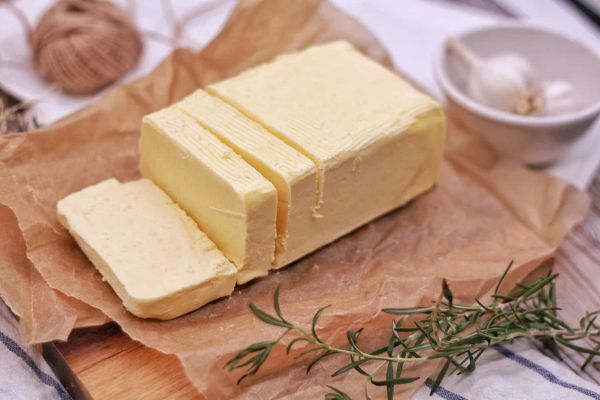
A plant-based butter recall has raised food safety concerns across 10 US states, prompting consumers to check their refrigerators and freezers. The US Food and Drug Administration (FDA) classified the recall involving Miyoko’s Creamery European Style Salted Plant Milk Butter as Class II on October 23, 2026.
The recall affects 1,304 cases, containing a total of 7,824 individual packages. Authorities identified potential contamination involving E. coli, yeast, and mold. Although no illnesses had been reported in connection with the recalled salted butter in the available reports, consumers should take the warning seriously.
The most important step is to identify the affected product before using it again. The brand name alone does not establish whether a package falls within the recall.
Here is what consumers need to know about the Miyoko’s butter recall, including the affected product, lot number, distribution states, potential health risks, and recommended precautions.
Why Was Miyoko’s Butter Recalled?
The Miyoko’s Creamery butter recall involves European Style Salted Plant Milk Butter distributed by Prosperity Organic Foods Inc., based in Boise, Idaho.
The FDA’s recall information identifies possible contamination with E. coli, yeast, and mold. The recall began on September 11, 2026, and the FDA assigned it a Class II classification on October 23.
According to Health’s report on the October 2026 butter recall, the affected product reached retailers in 10 states.
A Class II classification means exposure may cause temporary or medically reversible health consequences. The FDA considers the likelihood of serious adverse health consequences remote for this category.
However, this classification does not mean the affected butter is safe to consume. Consumers should follow the recall instructions and avoid eating any product that matches the affected identification details.
The recall also highlights an important food safety principle: plant-based products still require careful handling, quality controls, and contamination monitoring.
Which Miyoko’s Butter Is Being Recalled?
The recall covers a specific lot of Miyoko’s Creamery European Style Salted Plant Milk Butter. Consumers should check the package details rather than assume every product from the brand is affected.
The following information can help identify the recalled salted butter.
| Product detail | Information |
| Brand | Miyoko’s Creamery |
| Product | European Style Salted Plant Milk Butter |
| Package size | 8 ounces |
| UPC | 857554005773 |
| Carton lot number | 07871 |
| Shipping case lot number | 1007871 |
| Best-by date | November 5, 2026 |
| Distributor | Prosperity Organic Foods Inc. |
| FDA classification | Class II |
These details come from published recall information, including the FDA-related recall coverage from PIX11.
Check the UPC, lot number, and best-by date together. If your package matches the recalled product, do not eat it.
The affected butter was sold refrigerated or frozen. Therefore, consumers should check both their refrigerator and freezer, including packages they purchased earlier and stored for later use.
Which States Are Affected by the Miyoko’s Butter Recall?
The recalled salted plant-based butter was distributed in the following 10 states:
- Connecticut
- Florida
- Georgia
- Iowa
- Illinois
- Indiana
- Maryland
- New Hampshire
- New Jersey
- Wisconsin
Retailers and recall notices have identified these states as part of the affected distribution area.
If you live in one of these states and purchased Miyoko’s salted plant milk butter, check your packaging carefully. However, the distribution list does not replace checking the specific product identification details.
Consumers elsewhere should also consult current FDA recall information if they have concerns about a package’s origin or lot number.
For additional coverage, see ABC7’s report on Miyoko’s plant-based butter recall.
What Are the Health Risks of E. Coli, Yeast and Mold?
The recall raises three distinct contamination concerns. Understanding them helps explain why consumers should avoid the affected product.
E. coli
E. coli refers to a group of bacteria. Some strains cause gastrointestinal illness, while others may cause serious complications.
Common symptoms of an E. coli infection include:
- Diarrhea, which may sometimes become bloody
- Stomach cramps
- Nausea and vomiting
- Fever in some cases
Certain infections can lead to hemolytic uremic syndrome, a serious condition that can damage the kidneys.
Young children, older adults, and people with weakened immune systems may face a greater risk of severe illness from some foodborne infections.
Symptoms and severity vary by strain. Anyone who develops concerning symptoms after possible exposure should seek medical advice.
For reliable information, consult the CDC’s guidance on E. coli symptoms.
Yeast contamination
Yeasts are microorganisms that can grow in food under suitable conditions. Some yeasts contribute to normal food production, while unwanted growth can indicate spoilage or quality problems.
The presence of yeast does not automatically mean a food will cause illness. However, the recall identifies the affected product as potentially contaminated, so consumers should not try to assess its safety by appearance or smell.
Mold contamination
Mold can grow on food and may cause spoilage. Certain molds can also produce substances called mycotoxins under particular conditions.
Visible mold does not reveal the full extent of contamination. Similarly, a package that looks normal is not necessarily safe if it matches a recalled lot.
For these reasons, consumers should not taste the butter to determine whether it has spoiled.
What Should You Do If You Have Recalled Miyoko’s Butter?
If you find the affected salted plant milk butter in your refrigerator or freezer, take these precautions.
1. Stop using the product.
Do not spread it on toast, cook with it, or add it to recipes. Heating or cooking should not be treated as a reliable way to make recalled food safe.
2. Check the package information.
Compare the UPC, lot number, and best-by date with the recall details. If the information matches, keep the product away from other food.
3. Follow the return or disposal instructions.
Contact the retailer where you purchased the butter to ask about a refund or return. If returning it is not practical, follow the applicable recall and local disposal guidance.
4. Clean any surfaces that may have contacted the product.
If the butter leaked or contaminated a refrigerator shelf, utensil, or food preparation surface, clean the affected area thoroughly. Wash your hands after handling the package.
5. Seek medical advice if symptoms develop.
If you consumed the affected butter and develop diarrhea, severe abdominal cramps, vomiting, or other concerning symptoms, contact a healthcare professional. Seek prompt medical attention for bloody diarrhea, signs of dehydration, or severe or persistent symptoms.
Do not assume that you have an infection simply because you ate the product. A healthcare professional can evaluate your symptoms and determine whether testing or treatment is appropriate.
Is All Miyoko’s Butter Recalled?
No. The October 2026 recall concerns a specific lot of European Style Salted Plant Milk Butter.
However, consumers should also know about a separate product action involving Miyoko’s unsalted butter.
On October 26, 2026, Wedge Community Co-ops published a notice concerning a voluntary withdrawal of one lot of Miyoko Creamery Unsalted European-Style Plant Butter. The withdrawal followed mold complaints and involves different product identification details.
The separate unsalted product has the following details:
- UPC: 857554005995
- Lot number: 1008243
- Best-by date: November 27, 2026
- Package size: 8 ounces
The notice describes an investigation into mold complaints. It should not be confused with the FDA-classified recall of the salted butter.
Consumers can review the separate unsalted butter withdrawal notice for details.
If you own either product, compare its identification information with the relevant notice and follow the applicable instructions.
What Does an FDA Class II Recall Mean?
The FDA uses recall classifications to describe the potential health risks associated with recalled products.
A Class II recall applies when exposure may cause temporary or medically reversible adverse health consequences, or when the probability of serious adverse health consequences is considered remote.
This differs from a Class I recall, which involves a reasonable probability that exposure could cause serious adverse health consequences or death.
A Class III recall applies when exposure is unlikely to cause adverse health consequences.
The classification helps consumers and healthcare professionals understand the regulator’s assessment. However, it does not guarantee that every exposed person will experience the same outcome.
For this reason, consumers should follow the instructions for the specific recalled product, even when the FDA classifies the risk as Class II.
The FDA’s recall information and definitions provide further explanation of these categories.
Has Anyone Become Sick From the Recalled Butter?
The available reports stated that no illnesses had been reported in connection with the recalled salted butter at the time of publication.
That is reassuring, but it does not eliminate the potential risk. Contamination may not affect every package equally, and not everyone who encounters a contaminated food product necessarily develops symptoms.
Consumers should therefore focus on identifying the affected lot and following the recall instructions rather than relying on the absence of reported illnesses.
Anyone who believes they became ill after consuming the product should speak with a healthcare professional and mention the possible food exposure.
Frequently Asked Questions About the Miyoko’s Butter Recall
1. Which Miyoko’s butter was recalled in October 2026?
The FDA-classified recall involves Miyoko’s Creamery European Style Salted Plant Milk Butter in 8-ounce packages. The affected carton lot number is 07871, the shipping case lot number is 1007871, and the best-by date is November 5, 2026.
2. Why was Miyoko’s plant-based butter recalled?
The affected salted butter may contain E. coli, yeast, and mold. Prosperity Organic Foods initiated the recall in September, and the FDA classified it as Class II on October 23, 2026.
3. What states received the recalled butter?
The reported distribution includes Connecticut, Florida, Georgia, Iowa, Illinois, Indiana, Maryland, New Hampshire, New Jersey, and Wisconsin.
4. Is the recalled Miyoko’s butter safe to eat if it looks normal?
No. Appearance and smell cannot reliably establish whether a recalled product is safe. Consumers should not eat butter that matches the affected lot details.
5. What should I do if I already ate the recalled butter?
Monitor how you feel and contact a healthcare professional if symptoms develop. Seek prompt medical attention for severe symptoms, bloody diarrhea, or signs of dehydration.
6. Is Miyoko’s unsalted butter part of the same recall?
A separate lot of unsalted Miyoko plant butter was voluntarily withdrawn following mold complaints. It has different product codes and a different best-by date, so consumers should consult the separate notice.
7. Can I get a refund for recalled Miyoko’s butter?
Refund arrangements may vary by retailer. Contact the store where you purchased the butter and ask about its recall return policy.
Read more on InsightAxis: Crypto Taxes in 2026: What US Investors Need to Know
Final Takeaway: Check Your Butter Before Using It
The Miyoko’s butter recall is a timely reminder that food safety checks matter, even for products marketed as plant-based alternatives.
The FDA-classified recall affects a specific lot of salted plant milk butter distributed across 10 states. Potential E. coli, yeast, and mold contamination prompted the action, although no related illnesses had been reported in the available coverage.
Consumers should check their refrigerators and freezers, compare package details with the recall information, and avoid eating any matching product.
Above all, do not rely on a product’s appearance or smell to judge its safety. When a recall identifies a specific lot, following the official guidance is the safest approach.
Reporting note: This article reflects publicly available information as of October 28, 2026. Check the FDA and relevant retailer notices for updates before publication or when sharing this information with readers.