
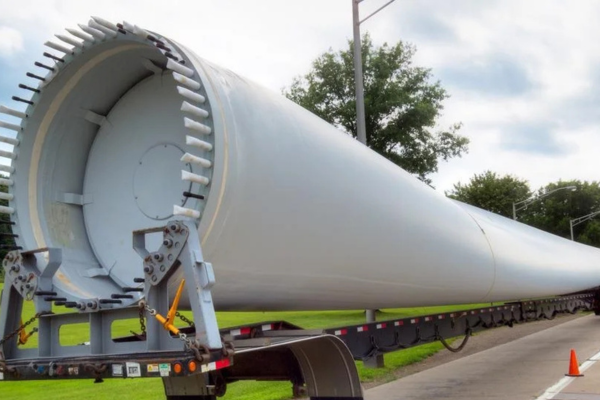
A turbine blade is one of the most important components inside modern gas, steam, and wind turbines. These precisely engineered components convert energy from moving gases, steam, or wind into rotational motion that can ultimately be used to generate electricity.
As power-generation technology continues to evolve in 2026, turbine blade development is increasingly focused on efficiency, durability, advanced materials, and manufacturing precision. Improvements in blade design can help turbines operate under demanding conditions while extracting more useful energy from available resources.
For more details on the latest 2027 Social Security COLA forecast and what it could mean for retirees, read 2027 Social Security COLA Forecast: What the Latest Estimate Means for Retirees.
What Is a Turbine Blade?
A turbine blade is an aerodynamic component designed to interact with a moving fluid or gas inside a turbine.
In gas and steam turbines, blades are arranged around rotating discs or shafts. As high-energy gases or steam pass through the turbine stages, they apply force to the blades and cause the rotor to spin.
The rotational energy can then drive a generator to produce electricity.
Wind turbines use a different type of blade, but the underlying principle is similar. The aerodynamic shape of each blade allows moving air to generate rotational force around the turbine’s hub.
Why Turbine Blade Design Matters
Turbine blades operate in environments where small improvements in design can have significant effects on overall performance.
In gas turbines, for example, blades can be exposed to extremely high temperatures and mechanical stresses. Engineers therefore need to balance aerodynamic performance with resistance to heat, oxidation, corrosion, vibration, and fatigue.
A well-designed turbine blade can contribute to:
- Higher energy efficiency
- Improved power output
- Longer operating life
- Better resistance to extreme temperatures
- Reduced maintenance requirements
- More reliable turbine operation
These factors make blade engineering a critical area of research across the power-generation industry.
Advanced Materials Are Changing Turbine Blades
One of the biggest developments in turbine technology is the use of advanced materials.
Gas-turbine blades commonly require materials that can maintain their mechanical properties at very high temperatures. Nickel-based superalloys are widely used because they offer strong high-temperature performance.
Engineers are also developing advanced coatings and material structures that allow blades to withstand harsh operating conditions.
Thermal barrier coatings are particularly important in high-temperature applications. These coatings help protect the underlying material from extreme heat and can support more demanding turbine operating conditions.
For more insights into the AFCON 2027 expansion and its impact on African football, read AFCON 2027 Expansion: A New Era for African Football.
Cooling Technology for High-Temperature Blades
Cooling is another major consideration in modern turbine blade design.
Gas-turbine blades can operate in environments where temperatures are higher than the melting point of the underlying metal. Internal cooling passages and carefully designed cooling holes allow engineers to manage heat transfer and protect critical components.
The challenge is achieving effective cooling without sacrificing aerodynamic performance.
Modern blade designs therefore use highly engineered internal passages, film-cooling techniques, and computational modelling to improve temperature control.
Additive Manufacturing and Turbine Blade Production
Advanced manufacturing is also influencing how turbine components are produced.
Additive manufacturing, commonly known as 3D printing, allows manufacturers to create complex geometries that can be difficult or expensive to produce using conventional manufacturing processes.
For turbine components, this capability can be valuable for developing intricate cooling channels and other internal structures.
Additive manufacturing can also support rapid prototyping and the production of specialized components, although quality control, material consistency, certification, and long-term durability remain important considerations.
Digital Engineering Is Improving Blade Performance
Computer-aided engineering has become an important part of turbine blade development.
Engineers can use computational fluid dynamics to model how gases, steam, or air move around blade surfaces. These simulations can help identify aerodynamic losses and evaluate different blade geometries before physical prototypes are manufactured.
Digital modelling can also be combined with structural analysis to examine stresses, vibration, temperature distribution, and potential failure points.
This approach allows engineers to refine designs while reducing the need for repeated physical testing.
Turbine Blade Maintenance and Inspection
Even advanced turbine blades require regular inspection and maintenance.
Operating conditions can cause erosion, corrosion, cracking, oxidation, or other forms of damage. Small defects can become significant problems if they are not detected early.
Modern inspection methods can include visual examination, non-destructive testing, borescope inspections, and advanced imaging techniques.
Predictive maintenance is also becoming increasingly important. By monitoring turbine operating data and component condition, operators can identify potential problems before they result in major failures or unexpected downtime.
Turbine Blades and Energy Efficiency
Efficiency remains a central objective in turbine blade development.
For thermal power systems, improving the efficiency of each turbine stage can contribute to greater overall energy output from the same amount of fuel or steam.
In wind power, aerodynamic blade design is equally important because the shape, length, and angle of blades influence how effectively the turbine captures available wind energy.
As energy systems become more focused on performance and resource efficiency, turbine blade engineering will continue to play an important role.
What Is the Future of Turbine Blade Technology?
Future turbine blade development is likely to combine advanced materials, sophisticated coatings, improved cooling systems, digital modelling, and increasingly precise manufacturing techniques.
Engineers are also exploring designs that can operate efficiently under changing power-generation requirements.
For conventional gas and steam turbines, the focus remains on higher efficiency and durability. For wind energy, research continues around larger and more aerodynamically efficient blades that can capture more energy from available wind resources.
The broader direction is clear: turbine blades are becoming increasingly sophisticated engineering components rather than simple mechanical parts.
Conclusion
The turbine blade remains a fundamental component of modern power-generation technology. Its aerodynamic shape, material composition, cooling system, manufacturing method, and operating condition can all influence turbine performance.
In 2026, advances in materials science, digital engineering, manufacturing, and inspection are helping engineers develop blades that are more efficient and durable. As global energy systems continue to evolve, improvements in turbine blade technology will remain important for increasing performance and reliability across multiple types of turbines.
For more information on advanced turbine technologies and energy efficiency, visit the U.S. Department of Energy.
Frequently Asked Questions
What is a turbine blade?
A turbine blade is an aerodynamic component that converts energy from moving gas, steam, or air into rotational motion within a turbine.
What materials are used to make turbine blades?
Gas-turbine blades commonly use nickel-based superalloys because they can withstand high temperatures and mechanical stresses. Other turbine applications use materials suited to their specific operating environments.
Why are turbine blades cooled?
Cooling systems help turbine blades withstand extremely high operating temperatures and protect their structural integrity during operation.
How are turbine blades manufactured?
Turbine blades can be manufactured using processes such as precision casting, machining, coating, and increasingly additive manufacturing for selected applications and geometries.
How often do turbine blades need inspection?
Inspection intervals depend on the turbine type, operating conditions, manufacturer recommendations, and service history. High-temperature and heavily loaded turbines generally require careful monitoring and scheduled inspections.
Why is turbine blade design important?
Turbine blade design affects aerodynamic efficiency, energy output, durability, maintenance requirements, and the overall reliability of the turbine.