
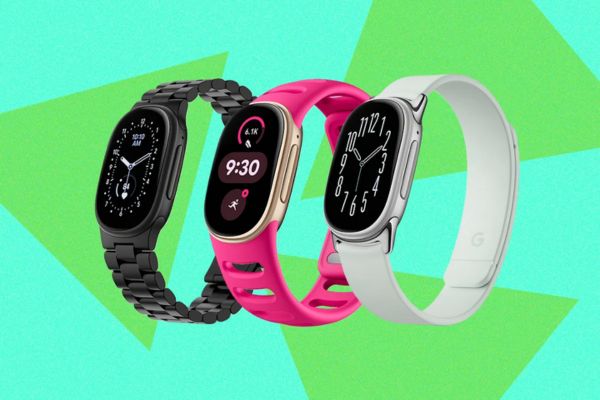
The Fitbit Edge is attracting attention after Google introduced its latest fitness tracker on October 12, 2026. Designed for people who want detailed health tracking without wearing a full smartwatch, the new device combines a bright display, built-in GPS, advanced sensors, and AI-powered fitness coaching in a slim design.
The launch also signals Google’s continued investment in wearable technology, bringing its Fitbit experience closer to the company’s broader health and artificial intelligence ecosystem. With a starting price of $179.99 in the United States, the Google Fitbit Edge aims to appeal to runners, gym enthusiasts, and people who want to monitor their everyday activity.
What Is the Google Fitbit Edge?
The Google Fitbit Edge is a next-generation fitness tracker designed to sit between a traditional activity band and a feature-rich smartwatch. According to Google’s official announcement, it features a Hybrid OLED display with 46% more viewing area than previous Fitbit trackers.
The device measures 11.5 millimeters thick and uses a lightweight metal housing designed for comfortable everyday wear. A physical side button provides quick access to workout controls, while customizable watch faces and interchangeable bands allow users to personalize its appearance.
Unlike a screenless tracker, the Fitbit Edge lets users check essential information directly on their wrist. This includes activity statistics, heart rate, sleep information, notifications, and workout guidance.
Fitbit Edge Features: GPS, Health Sensors, and AI Coaching
One of the main attractions of the Google Fitbit Edge is its combination of fitness features and personalized guidance.
Built-in GPS: The tracker records outdoor routes without requiring users to carry their phones during workouts. Google also says GPS accuracy has improved by up to 40% compared with previous generations.
Automatic workout recognition: The device can automatically recognize and categorize up to 100 workout types, helping users record activities even when they forget to start tracking manually.
Health monitoring: Sensors support continuous heart-rate tracking, sleep analysis, heart-rate variability measurements, skin-temperature tracking, and electrocardiogram assessments in supported regions.
Google Health Coach: AI-powered coaching built with Gemini can help users understand their activity patterns and receive personalized workout recommendations. Some coaching features require a separate Google Health Premium subscription.
These features make the Fitbit Edge more than a basic step counter. However, its health measurements are intended for wellness and informational purposes rather than diagnosing medical conditions.
How Long Does the Fitbit Edge Battery Last?
Battery life is another major selling point. Google advertises up to seven days of use on a single charge, although actual performance depends on settings, activity levels, and which features are enabled.
The tracker also supports fast magnetic charging. According to Google, five minutes of charging can provide up to a day of battery life under specified testing conditions.
Another important addition is its replaceable battery. The modular design is intended to make the device more repairable and potentially extend its useful lifespan.
For users who track workouts and sleep throughout the week, these features could reduce the need for frequent charging.
Fitbit Edge Price and Availability
Google announced a US starting price of $179.99 for the standard Fitbit Edge. Preorders opened on October 12, 2026, with retail availability scheduled to begin October 27.
A special edition developed with basketball star Stephen Curry is priced at $219.99. Google also includes three months of Google Health Premium with the purchase, subject to the offer’s terms.
The tracker is designed to work with compatible Android phones running Android 11 or later and iPhones running iOS 16.4 or later. Availability of particular health and coaching features may vary by country.
Is the Google Fitbit Edge Worth Watching?
The Fitbit Edge could be an appealing option for people who want a screen-equipped tracker without paying smartwatch-level prices. Its built-in GPS, automatic workout detection, extended battery life, and personalized coaching distinguish it from simpler fitness bands.
Nevertheless, buyers should consider the cost of optional subscriptions and check whether specific health features are available in their region. People who primarily need basic step and sleep tracking may find a less expensive device sufficient.
Overall, Google’s new tracker represents an interesting development in wearable technology. The Fitbit Edge combines familiar fitness-tracking tools with AI-assisted guidance, making it a product worth watching as it reaches retail stores later this month.