
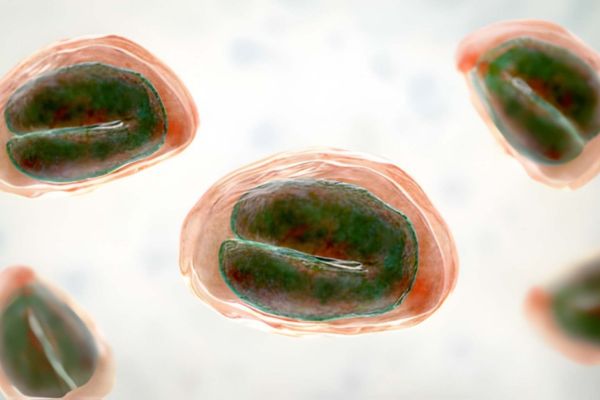
A recent cyclosporiasis outbreak has renewed public attention on foodborne illnesses that often go unnoticed until cases begin to rise. While many stomach infections clear up quickly, cyclosporiasis can last for weeks if left untreated. Understanding how the disease spreads, recognising its symptoms, and following safe food practices can significantly reduce your risk.
Health authorities continue to investigate outbreaks linked to contaminated fresh produce, reminding consumers that food safety starts long before meals reach the table.
What Is Behind the Recent Cyclosporiasis Outbreak?
A cyclosporiasis outbreak occurs when multiple people become infected with the parasite Cyclospora cayetanensis. Unlike many common bacteria, this parasite usually spreads through contaminated fruits, vegetables, herbs, or water rather than direct person-to-person contact.
Because the parasite requires time outside the human body before becoming infectious, outbreaks are typically traced to contaminated food sources during production, harvesting, or distribution. Public health agencies work to identify affected products quickly to prevent additional illnesses.
Symptoms Can Appear Days After Exposure
One challenge with a cyclosporiasis outbreak is that symptoms often develop about one week after consuming contaminated food.
Common symptoms include:
- Frequent watery diarrhoea
- Loss of appetite
- Stomach cramps
- Fatigue
- Nausea
- Mild fever
- Weight loss during prolonged illness
Some people recover without treatment, while others experience recurring symptoms over several weeks. Individuals with weakened immune systems may develop more severe infections and should seek medical care promptly.
How Doctors Diagnose and Treat Cyclosporiasis
Diagnosing a cyclosporiasis outbreak infection usually requires specialised laboratory testing because the parasite is not always detected through routine stool examinations.
Doctors commonly prescribe antibiotics containing trimethoprim-sulfamethoxazole, which remain the standard treatment for most patients. Staying hydrated is equally important, especially for individuals experiencing persistent diarrhoea.
Anyone with prolonged digestive symptoms after eating fresh produce should consult a healthcare professional rather than relying solely on home remedies.
For official public health updates, visit the Centers for Disease Control and Prevention and its guidance on cyclosporiasis.
Practical Steps to Lower Your Risk
Although no prevention method is perfect, several habits can reduce exposure during a cyclosporiasis outbreak.
Wash fresh fruits and vegetables thoroughly under running water before eating them, even when labelled as pre-washed. Purchase produce from trusted retailers that follow recognised food safety standards. Good kitchen hygiene, including washing hands before preparing food and avoiding cross-contamination, also helps minimise the risk of foodborne illness.
Consumers should also pay attention to food recall notices issued by health authorities, particularly during active investigations involving imported produce.
If you’re following the latest World Cup coverage, you may also enjoy our analysis of Spain vs Belgium: Merino’s Late Goal Sends Spain Into Semi-Finals.
You can also read France vs Morocco: France Moves Forward After Clinical World Cup Victory.
Staying Informed Makes All the Difference
Every cyclosporiasis outbreak highlights the importance of food safety awareness. While the illness is generally treatable, recognising symptoms early and following official public health guidance can prevent complications. As investigators continue monitoring foodborne outbreaks worldwide, informed consumers remain the strongest defence against avoidable infections.
Frequently Asked Questions
1. What causes a cyclosporiasis outbreak?
A cyclosporiasis outbreak is caused by consuming food or water contaminated with the parasite Cyclospora cayetanensis, most commonly fresh produce.
2. Is cyclosporiasis contagious?
No. The infection is generally not spread directly from one person to another because the parasite must mature in the environment before becoming infectious.
3. How long do symptoms usually last?
Without treatment, symptoms may persist for several weeks and sometimes return after temporary improvement.
4. What foods are commonly linked to outbreaks?
Fresh leafy greens, herbs, berries, and other raw produce have been associated with previous outbreaks.
5. Can washing vegetables completely prevent infection?
Washing produce reduces the risk but may not eliminate all parasites. Following food recalls and purchasing from reliable sources are also important.
6. Who is most at risk from cyclosporiasis?
Older adults, young children, and people with weakened immune systems may experience more severe illness.
7. When should I see a doctor?
Seek medical attention if diarrhoea lasts several days, symptoms become severe, or dehydration develops.