
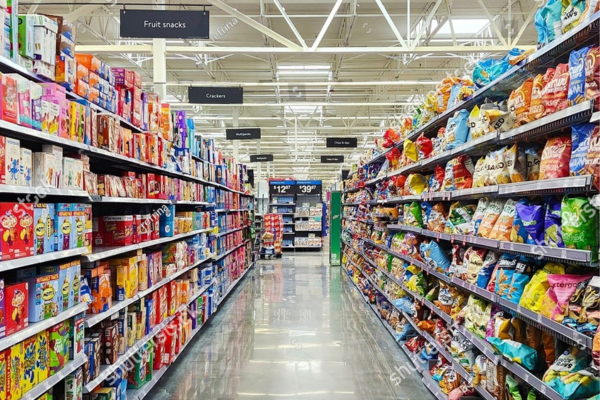
The department store industry is once again drawing attention across the United States as online searches surge, and consumers show renewed interest in traditional retail shopping. Long considered the backbone of American shopping malls, department stores are adapting to changing consumer preferences by combining in-store experiences with digital convenience. The recent spike in search activity reflects growing curiosity about how these retailers are responding to today’s competitive market.
Why the Department Store Trend Is Growing
Several factors are contributing to the latest interest in the department store sector. Consumers continue to seek value, convenience, and the ability to compare multiple brands under one roof. At the same time, retailers are introducing modern shopping experiences through mobile apps, loyalty programs, exclusive product launches, and omnichannel services such as buy online, pick up in store.
Retail analysts also point to seasonal promotions and changing consumer spending habits as reasons behind the increase in online searches. As inflation begins to stabilize, many shoppers are returning to physical stores to take advantage of discounts and personalized customer service.
Retailers Continue to Modernize
Today’s department stores look very different from those of a decade ago. Leading retail chains are investing heavily in technology, store redesigns, and digital integration to attract younger shoppers. Self-checkout options, AI-powered inventory management, and personalized shopping recommendations have become common features across the retail industry.
Many businesses are also reducing underperforming locations while renovating flagship stores to create more engaging shopping environments. These investments help retailers compete with e-commerce giants while maintaining the advantages of physical shopping.
Consumer Shopping Habits Are Evolving
The modern shopper expects flexibility. Rather than choosing between online and in-store shopping, many consumers now combine both experiences. This shift has encouraged department stores to strengthen their digital platforms while improving in-store customer experiences.
Categories such as fashion, beauty, home décor, and electronics continue to drive traffic, especially during promotional events. Retail experts believe shoppers increasingly value the opportunity to see products firsthand before making a purchase, something online-only retailers cannot fully replicate.
What This Means for the Retail Industry
The renewed attention surrounding the department store industry highlights the resilience of traditional retail. While online shopping remains an important part of consumer behavior, brick-and-mortar retailers continue to play a significant role in the American economy. Companies that successfully balance digital innovation with quality in-store experiences are likely to remain competitive in the years ahead.
Looking Ahead
The recent department store trend demonstrates that the retail landscape continues to evolve rather than disappear. As consumer expectations change, retailers are adapting through technology, improved customer service, and flexible shopping options. Whether driven by seasonal demand, promotional events, or broader economic shifts, the growing interest in department stores signals that physical retail still holds an important place in the future of American shopping.