
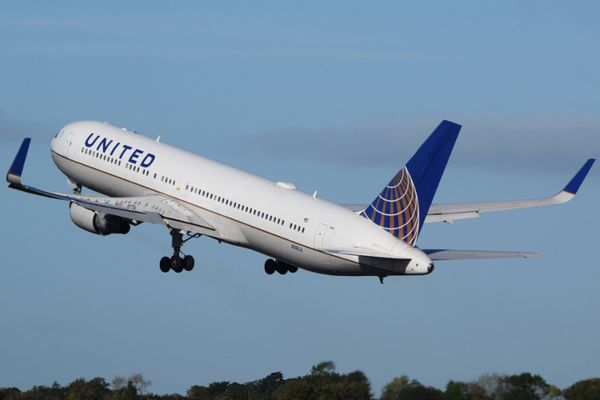
Passengers aboard a United Airlines flight from London to New Jersey faced an unexpected change of plans on Thursday, October 15, 2026.
The United Airlines flight UA941 emergency began when pilots reported a problem while flying over England. The plane was heading to Newark, but the crew decided to turn back to London Heathrow Airport.
The aircraft landed safely, with emergency teams waiting on the ground.
So, what exactly went wrong? Why did the pilots turn back? And what happened to the passengers?
Here’s everything we know so far.
What Happened to Flight UA941?
United Airlines flight UA941 left London Heathrow on Thursday afternoon. It was heading to Newark Liberty International Airport in New Jersey.
The flight was supposed to take around eight hours.
However, things changed when the Boeing 767-300ER reached an altitude of about 32,000 feet near Manchester.
The pilots declared an emergency and turned the plane around.
According to reports from The Standard and aviation news outlet AIRLIVE, the aircraft transmitted an emergency code known as squawk 7700.
This alerted air traffic controllers that the flight needed special attention.
Instead of continuing its journey across the Atlantic, the aircraft headed back toward London.
It landed safely at Heathrow shortly before 6 p.m., where emergency crews were waiting.
According to The Standard, the aircraft declared an emergency near Manchester before returning safely to Heathrow.
Why Did the Flight Turn Back?
The first reports suggested that the aircraft had developed a technical problem.
However, United Airlines later explained that the crew had noticed an unusual smell inside the cabin.
According to a statement reported by TheTravel, the airline confirmed that the plane returned to London because of an odor onboard.
But what caused that smell?
That’s something we still don’t know.
There has been no confirmed explanation of where the odor came from. It is also unclear whether it was linked to an electrical problem or another aircraft system.
The pilots decided to return rather than continue with the long journey to Newark.
This allowed the issue to be checked after the aircraft landed.
What Does Squawk 7700 Mean?
You may have seen the term squawk 7700 mentioned in reports about the United Airlines Heathrow emergency.
It sounds technical, but the meaning is quite simple.
Squawk 7700 is a special code pilots use when their aircraft is experiencing an emergency.
When the code is activated, air traffic controllers know the plane needs immediate attention.
However, it doesn’t always mean the aircraft is in serious danger.
Pilots can use the code for different situations, including technical problems, medical emergencies, or other urgent concerns.
In the case of flight UA941, the code helped alert airport authorities before the plane returned.
Emergency teams were ready when the aircraft landed.
How Did the Emergency Landing Go?
After declaring the emergency, the pilots changed course and headed back toward Heathrow.
There was another important decision to make before landing.
According to aviation reports, the crew initially considered releasing around 20 metric tons of fuel.
Why would they do that?
Large passenger planes often carry a considerable amount of fuel, especially on long international flights.
That extra weight can make landing more complicated when a plane returns earlier than planned.
Releasing fuel can help reduce the aircraft’s weight before landing.
However, reports suggest the pilots decided against releasing the fuel.
The aircraft continued toward Heathrow and landed safely shortly before 6 p.m.
Fire and emergency crews were waiting as a precaution.
Fortunately, the plane was able to land without any reported injuries.
What Happened to the Passengers?
For passengers expecting to arrive in Newark, the sudden return meant their travel plans were disrupted.
United Airlines canceled the affected flight after the aircraft returned to Heathrow.
According to subsequent reports, the airline worked to arrange alternative flights for passengers.
Hotel vouchers were also reportedly provided to affected travelers.
Passengers were able to leave the aircraft normally after landing.
There were no reported injuries, although the exact number of passengers onboard has not been confirmed.
For travelers, an unexpected flight cancellation can mean missed connections, longer waiting times, and changes to their schedules.
Anyone affected by the incident should contact United Airlines directly for information about their booking or travel arrangements.
Has United Confirmed the Cause?
United Airlines has confirmed that an odor in the cabin led to the aircraft’s return.
However, the airline has not publicly identified the exact source of that smell in the reports available so far.
This is an important detail because some early reports described the incident as a technical emergency.
While that may explain why the pilots declared an emergency, it doesn’t tell us what caused the problem.
There is currently no confirmed evidence of a fire or a specific mechanical failure.
Until more information becomes available, it would be misleading to suggest otherwise.
Why Do Pilots Turn Back?
You might wonder why the pilots didn’t simply continue to Newark.
After all, the aircraft was already in the air.
The answer comes down to safety.
A flight across the Atlantic involves several hours of travel, including long stretches over the ocean.
If something unusual happens onboard, the crew must decide whether continuing is safe.
Returning to the departure airport can be a sensible option, especially when the problem has not been identified.
In this case, the pilots chose to return to Heathrow, where emergency services and ground support were available.
The aircraft landed safely, and passengers were able to leave the plane.
It’s a reminder that declaring an emergency doesn’t always mean something disastrous is about to happen.
Sometimes, it means the crew is taking extra precautions.
What Happens Next?
The United Airlines flight UA941 emergency ended safely at London Heathrow on October 15, 2026.
What began as a routine journey to Newark turned into an unexpected return after an unusual odor was reported onboard.
The pilots declared an emergency, changed course, and brought the aircraft back to London.
Passengers were able to leave the plane safely, although their travel plans were disrupted.
For now, the exact cause of the cabin odor remains unclear.
Further details may become available if United Airlines releases additional information about the incident.
For more updates on major companies and industry developments, check out our latest business news and updates.